Cancun Packing List: Beach Days, Cenotes, Day Trips

The infinity pool at your resort looks exactly like the brochure, but the cenote an hour inland has a rule that surprises most first-timers: hand over your regular sunscreen at the gate or skip the swim. Cancun and the Riviera Maya reward travelers who pack for three separate days instead of one long beach week. A pool afternoon, a cenote tour, and a ruins visit each demand their own gear, and treating the whole trip as one generic tropical vacation leaves gaps you notice by day two.
The Cenote Sunscreen Rule Nobody Warns You About
Quintana Roo, the state that covers Cancun, Playa del Carmen, and Tulum, has banned chemical sunscreen at cenotes and other natural water sites since 2021. Oxybenzone and octinoxate, the active ingredients in most drugstore sunscreen, are the target. The underground rivers that feed the cenotes connect directly to the reef system offshore, so whatever soaks into the water at a swimming hole an hour from the coast eventually reaches the ocean.
In practice, this means staff at the entrance check bottles, and sunscreen with the wrong ingredients gets left at the gate or confiscated outright. Fines for getting caught run around 200 pesos, small money, but the bigger cost is losing your swim. Mineral sunscreen with non-nano zinc oxide or titanium dioxide as the active ingredient is what actually passes the check. Pack it before you leave home. Some cenotes sell approved bottles at the entrance if yours fails, but you pay tourist prices for something you could have thrown in your bag for free.
Sargassum: Real, But Not the Whole Story This Season
Sargassum, the brown seaweed that piles up on Caribbean beaches, is a genuine problem in the region and worth planning around honestly. It is not constant. Accumulation typically peaks during the summer months, and the October-through-February window you're likely traveling in usually sees less seaweed on the sand than a July trip would, since this stretch overlaps with the dry season and the region's high tourist season for a reason.
Conditions still shift by the week and by beach, not by month alone, and some seasons arrive earlier than expected. Isla Mujeres, Holbox, and the west side of Cozumel tend to stay clearer even when the mainland coast gets hit, since currents and coastline shape work in their favor. If a clean beach matters more than anything else on your trip, check a current sargassum report a few days out rather than trusting a blog post written months earlier. Most resorts rake their own stretch of sand every morning during bad weeks, so a hotel beach can look fine even when the public beach next door doesn't.
All-Inclusive Covers Dinner, Not Everything
All-inclusive sounds like it means never reaching for your wallet, and mostly that's true for food and drinks. It's not the whole picture. Budget $10 to $20 per person per day in cash for tipping, ideally in pesos, since staff appreciate not converting dollars and small bills move faster than a twenty. Leaving 50 to 100 pesos on the pillow for housekeeping is standard practice and tends to translate into extra towels and restocked water without you having to ask twice.
Room water is the other gap. Some resorts stock the minibar with bottled water daily, others don't, and tap water in Mexico isn't meant for drinking, so even brushing your teeth with it is worth a second thought. A reusable bottle refilled from the lobby dispenser, or bottled water bought for under a dollar at a convenience store, solves this cheaply. Keep extra cash on hand for excursions that leave the resort property too, since day trips to cenotes or ruins often aren't included even at a nominally all-inclusive property. For more on packing light while still covering a beach-vacation budget, see our Caribbean vacation packing guide.
Ruins and Jungle Stops Need Different Gear Than the Pool
A day at Chichen Itza, Tulum, or Coba is a different trip than a day at the pool, and packing for only one of them shows. The stone at most ruin sites is uneven, sun-baked, and mostly shadeless, so closed-toe shoes with real support beat sandals, and a wide-brim hat earns its space in the bag. Bring more water than feels necessary; vendors sell bottles on site, but lines and prices both grow worse the longer you wait.
Jungle stops, including most cenote access roads, come with mosquitoes that don't wait for dusk to bite. Long sleeves in a light fabric and a repellent with DEET or picaridin cover the gap sunscreen alone doesn't. If your day trip includes a boat transfer or open-water swim, a waterproof phone pouch keeps your phone dry through the parts of the day a dry bag would otherwise sit unused in your backpack. It's a small, cheap addition, and the one thing people wish they'd packed after watching someone else's phone go into a cenote.
Power Outlets: One Thing You Can Cross Off
Mexico runs on the same plug types as the US and Canada, Type A and the three-pronged Type B, at a similar voltage of 127 volts. If you're traveling from the US, you don't need an adapter for most devices. The one exception worth a backup plan for: some older hotel rooms only have two-prong Type A outlets, so if your charger has a grounded three-prong plug, a cheap adapter or two is worth tossing in the bag just in case. Travelers coming from Europe, the UK, or Australia need a full adapter, since those plug shapes don't fit Mexican outlets at all.
Building the List
Pack around the three kinds of days this trip actually has, not one generic list:
Beach and pool: swimsuit, cover-up, flip-flops, a UPF sun shirt for hours in direct light, and the mineral sunscreen you'll also need at the cenotes, so buy one bottle that works everywhere.
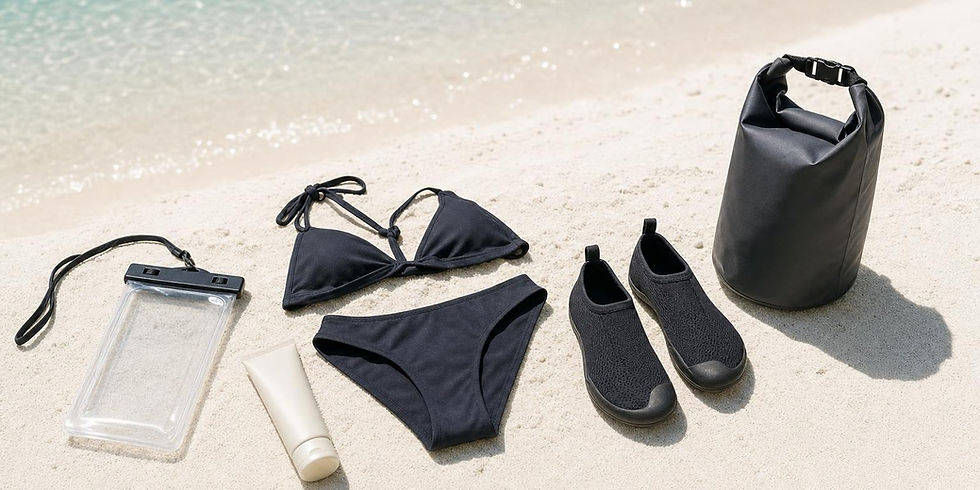
Cenote day: mineral sunscreen with the label checked twice, a change of clothes for the ride back, water shoes if you're visiting a rocky cenote instead of a platform one, and a dry bag for your phone.
Ruins and jungle day: closed-toe shoes, a hat, insect repellent, a full water bottle, and lightweight long sleeves for both sun and bugs.
If you're building this on top of a broader trip, most of the humidity and mosquito-timing advice in our tropical vacation packing list carries over directly. Start from the full packing checklist for the basics you'd bring anywhere, then layer these Cancun-specific items on top.
None of this is complicated, but it's the kind of detail that only shows up once you're standing at a cenote gate with the wrong sunscreen in your hand. Pack the mineral sunscreen, bring cash in pesos for tipping, and pick shoes that work on both sand and stone ruins. Everything else about Cancun sorts itself out once you're there.
As an Amazon Associate, ThingsToPack earns from qualifying purchases made through some links in this article.


Comments